Planning meals from pantry staples can save time, reduce food waste, and make busy days easier. Instead of starting with a recipe and buying every ingredient, begin with what you already have. A few basic items can become soups, grain bowls, pasta dishes, casseroles, and quick skillet meals with the right approach.
The key is to think in meal components rather than fixed recipes. When you know how to combine a base, a source of protein, vegetables, flavorings, and a sauce or topping, you can create many meals from the same small group of ingredients.
Start With a Pantry Inventory
Before planning meals, take a quick look through your kitchen. Check the pantry, refrigerator, and freezer so you know what needs to be used first.
Group items into simple categories:
– Grains: rice, pasta, oats, couscous, quinoa, and bread
– Canned goods: beans, tomatoes, corn, peas, and broth
– Protein: canned tuna, lentils, peanut butter, eggs, and frozen meat
– Flavor builders: spices, herbs, soy sauce, vinegar, mustard, and hot sauce
– Cooking basics: oil, flour, sugar, and baking ingredients
– Fresh foods: onions, carrots, potatoes, greens, and other produce
Write down items that are open, close to their best-by dates, or available in larger quantities. Put these foods at the front of your shelves or refrigerator. This small step helps prevent forgotten ingredients from being wasted.
You do not need a perfect inventory system. A handwritten list, note on your phone, or a simple spreadsheet can work well.
Use a Flexible Meal Formula
A meal formula gives you structure without requiring an exact recipe. Start with one item from each of these groups:
- **Base:** rice, pasta, potatoes, bread, oats, or tortillas
- **Protein:** beans, lentils, eggs, canned fish, nuts, or leftovers
- **Vegetables:** canned, frozen, fresh, or dried
- **Flavor:** spices, herbs, sauces, or a flavorful cooking liquid
- **Finishing touch:** cheese, seeds, yogurt, pickles, or a squeeze of lemon
For example, rice, black beans, corn, salsa, and cheese can become a bowl. Pasta, canned tomatoes, white beans, spinach, and Italian seasoning can become a one-pot dinner. Potatoes, eggs, frozen vegetables, and hot sauce can turn into a simple skillet meal.
This formula also makes substitutions easier. If you do not have rice, use pasta or potatoes. If you are out of beans, try eggs or canned fish. The goal is to use what is available rather than follow a recipe exactly.
Plan Around a Few Core Meals
Planning every meal in detail can feel overwhelming. Instead, choose three or four core meals for the week and make each one flexible.
Good pantry-based meal categories include:
One-Pot Meals
Combine grains, beans or another protein, vegetables, and broth or canned tomatoes in one pot. Rice and beans, lentil stew, and tomato pasta are easy examples.
One-pot meals are useful because they require little cleanup and often make enough for leftovers. Add different toppings each time to keep the meals interesting.
Soups and Stews
Soups are an excellent way to use small amounts of several ingredients. Start with onion, garlic, or dried seasonings if available. Add broth, canned tomatoes, beans, lentils, pasta, rice, or vegetables.
A basic soup can change direction depending on the seasonings. Cumin and chili powder create a warm, smoky flavor, while Italian herbs and tomatoes create a more traditional vegetable soup.
Grain Bowls
Cook a large batch of rice, quinoa, or another grain. Add beans, vegetables, and a simple sauce. You can use soy sauce, vinegar, salsa, peanut butter, or a mixture of oil and spices to create different flavors.
Keep toppings separate if you expect leftovers. This helps maintain different textures and lets everyone customize their bowl.
Pasta and Noodle Dishes
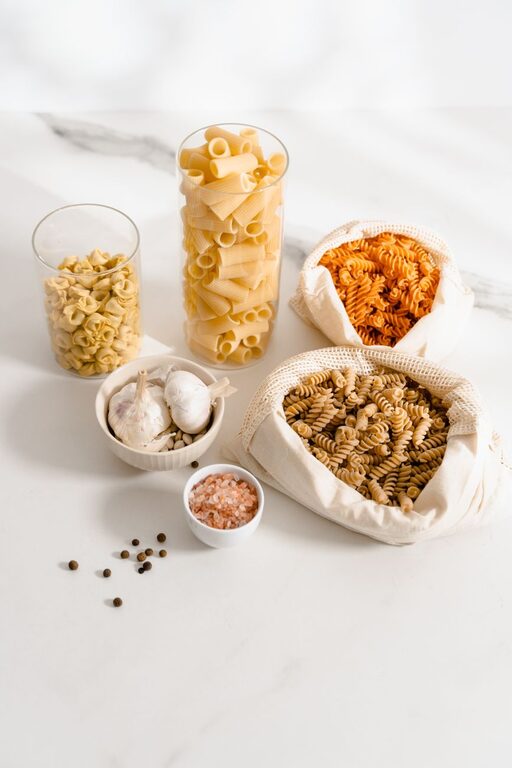
Pasta is a dependable pantry staple because it pairs well with many ingredients. Toss it with canned tomatoes, beans, frozen vegetables, tuna, pesto, or a simple oil-and-garlic mixture.
Save a little pasta water before draining. It can help loosen a sauce and bring the ingredients together.
Breakfast for Any Time of Day
Eggs, oats, toast, and potatoes are not limited to breakfast. Scrambled eggs with rice and vegetables, savory oatmeal, or baked potatoes with beans can make quick lunches or dinners.
If you have flour, oats, or pancake mix, you can also prepare simple pancakes or flatbreads to serve with savory toppings.
Build a Short Shopping List
Pantry cooking does not mean avoiding fresh groceries entirely. A few fresh items can add flavor, texture, and variety to several meals.
Choose ingredients that can be used in multiple ways:
– Onions and garlic for soups, sauces, and skillet meals
– Carrots and celery for stews, salads, and roasted dishes
– Potatoes for soups, side dishes, and breakfast meals
– Greens for pasta, eggs, sandwiches, and bowls
– Lemons or limes for sauces and finishing flavors
– Cheese or plain yogurt for toppings and creamy textures
– Fresh herbs when you plan to use them across several meals
Try to buy only what supports your pantry plan. If you already have ingredients for pasta, soup, and rice bowls, you may need only a few vegetables and toppings rather than a full cart of groceries.
Plan for Ingredient Overlap
Ingredient overlap is one of the most useful planning tools. Choose foods that can appear in more than one meal.
For example, cook a batch of rice on the first day. Use it for a bean bowl, then turn the leftovers into fried rice with eggs and vegetables. Roast a tray of vegetables once and use them in wraps, pasta, or soup.
A can of beans can serve as a bowl topping, soup ingredient, or filling for toast or tortillas. Canned tomatoes can become pasta sauce, soup base, or a simmering sauce for beans.
When planning, ask:
– Can I use this ingredient in at least two meals?
– Will leftovers keep well?
– Can I freeze part of this batch?
– Which foods should be used first?
These questions help you spend less and make better use of what you already own.
Keep Flavor Variety in Mind
The same staples can feel different when you change the seasoning style. Create variety by planning meals around a few flavor combinations.
– Mediterranean style: tomatoes, beans, pasta, garlic, herbs, and lemon
– Southwestern style: rice, beans, corn, salsa, chili powder, and cheese
– Asian-inspired style: rice or noodles, vegetables, soy sauce, ginger, and peanut butter
– Comfort food style: potatoes, eggs, broth, cheese, and dried herbs
– Sweet and savory: oats, peanut butter, fruit, cinnamon, or seeds
You do not need a large spice collection. Salt, pepper, garlic powder, paprika, chili powder, and Italian seasoning can cover many everyday meals. Vinegar, mustard, soy sauce, and hot sauce can also add brightness and depth.
Store and Reuse Leftovers Safely
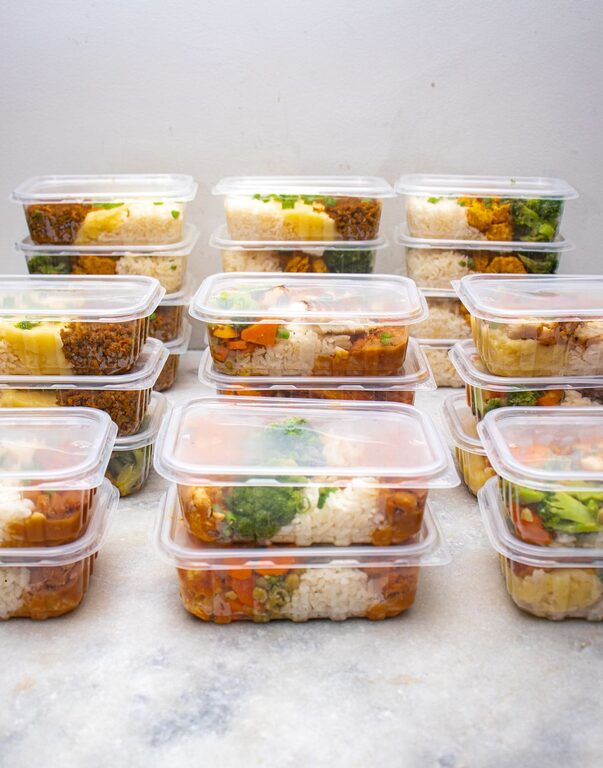
Once meals are prepared, divide leftovers into shallow containers so they cool and store neatly. Label containers with the date, especially when you are saving more than one dish.
Plan to use the most perishable foods first. Fresh greens, cooked grains, and opened containers may need attention before unopened cans or dry goods. Freeze extra portions when you know they will not be eaten soon.
Leftovers do not have to be served exactly as they were prepared. Turn extra rice into a new skillet meal, use cooked vegetables in an omelet, or add leftover beans to a soup or wrap.
Make the Plan Easy to Repeat
A successful pantry meal plan should be simple enough to use regularly. Keep a list of meals your household enjoys and note which staples they require. Over time, you will build a personal collection of reliable combinations.
Start with a weekly plan such as:
– One soup or stew
– One pasta or grain-based meal
– One skillet meal
– One leftover or flexible night
– One meal based on items that need to be used soon
This approach provides direction without making the week feel rigid. With a basic inventory, a flexible meal formula, and a short shopping list, pantry staples can support practical, varied meals whenever you need them.
About the Author