
Creativity Is a Daily Practice
Creativity is often associated with artists, writers, musicians, and designers, but it is useful in every part of life. Cooking a meal with the ingredients you have, finding a new way to organize your workspace, or solving a problem at work can all involve creative thinking.
You do not need special equipment, long periods of free time, or perfect ideas to practice creativity. Small, regular activities can help you notice more, think differently, and become comfortable trying something new. The key is to focus on the process rather than the result.
Here are simple ways to make creativity a natural part of your everyday routine.
Start With a Five Minute Idea Session
Set a timer for five minutes and write down as many ideas as possible about one topic. The topic can be practical, such as ways to make your morning easier, or imaginative, such as names for a fictional bookstore.
Do not pause to judge your ideas. The goal is to keep your mind moving. Some ideas may seem ordinary, while others may lead somewhere unexpected. With practice, you may find it easier to generate options before choosing the best one.
Try these prompts:
- List ten uses for an everyday object.
- Think of five ways to improve a routine.
- Write down everything you noticed during a walk.
- Imagine how a familiar task could be done in a different place.
Carry a Small Idea List
Creative thoughts often appear at inconvenient times. Keep a notebook, notes app, or simple list nearby so you can record them quickly. You do not need to write a complete paragraph. A few words may be enough to preserve an idea for later.
You can use your list for:
- Interesting phrases or questions
- Project ideas
- Things you would like to learn
- Details you notice during the day
- Problems you might solve in a new way
Review the list once a week. Combining two unrelated notes can lead to an interesting project, story, drawing, or activity.
Change One Small Part of Your Routine
Familiar routines are comfortable, but they can also limit what you notice. Make one small change to create a fresh perspective. Take a different route on your walk, rearrange a shelf, listen to a new type of music, or try a different recipe.
The change does not need to be dramatic. Even sitting in a different chair can help you see your surroundings differently. New experiences give your mind more details to connect, and connections are an important part of creative thinking.
Make Something Without a Plan
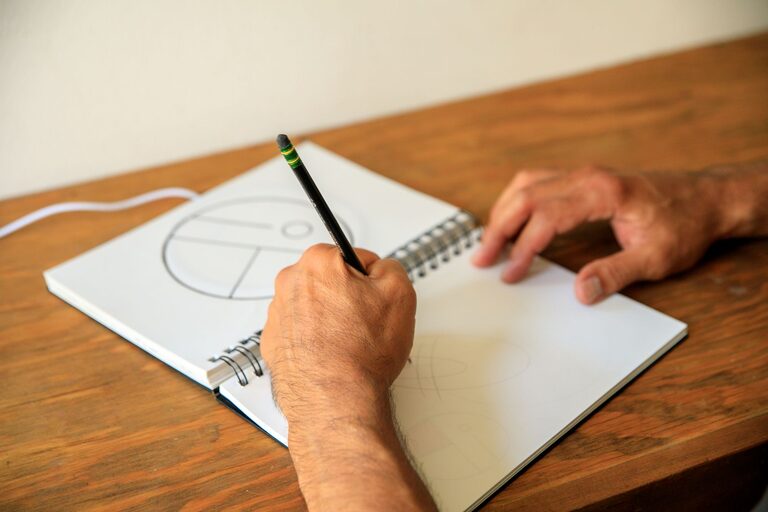
Try creating without deciding what the finished result should look like. Grab a pencil and draw lines, shapes, or patterns. Fold paper into a simple form. Write a paragraph that begins with a random sentence. Arrange objects by color or size.
This exercise is valuable because it removes pressure. When there is no fixed goal, you can explore freely and discover results you might not have planned.
If you enjoy a little structure, choose a simple rule, such as:
- Use only three colors.
- Write for ten minutes without deleting anything.
- Build something from materials already at home.
- Create a design using only circles and straight lines.
Practice Creative Observation
Creativity begins with paying attention. Spend a few minutes observing an ordinary object, place, or moment. Notice its color, texture, shape, sound, and movement. Then describe it using fresh language.
For example, instead of saying that a tree is large, you might describe its branches as reaching outward like open hands. This kind of observation strengthens your ability to notice details and make comparisons.
You can practice anywhere:
During a Walk
Look for patterns in buildings, leaves, sidewalks, signs, or shadows. Notice how light changes the appearance of familiar places.
At Home
Choose one object and describe it from the perspective of a child, a visitor, or a fictional character.
While Waiting
Observe sounds, movement, and small interactions around you instead of reaching for your phone immediately.
Use Constraints to Spark Ideas
Having unlimited choices can make it difficult to begin. A simple limitation can make a creative task easier. Decide in advance how much time you have, what materials you will use, or what format you will follow.
For example, write a story in 100 words, take a photo using one color, or create a meal with five ingredients. Constraints give you a starting point and encourage you to make thoughtful choices.
If you feel stuck, add a new rule rather than abandoning the activity. A limitation can turn a vague task into a clear and manageable challenge.
Learn From Something Outside Your Usual Interests
Exploring a new subject can introduce ideas that later connect with your familiar interests. Read a short article about architecture, watch a beginner lesson on drawing, learn a few phrases in another language, or listen to an interview with someone who works in a different field.
You do not need to become an expert. The goal is to collect new perspectives. Ask yourself:
- What is different about this subject?
- What ideas could apply to something I already enjoy?
- What questions does this raise?
Keep a note of anything that surprises you. Unexpected details often become useful creative starting points.
Turn Everyday Problems Into Creative Challenges
When you encounter a minor inconvenience, try thinking of several possible solutions before choosing one. For example, if a room feels cluttered, list five ways to improve it. If you struggle to remember a task, consider different reminders, locations, or routines.
This practice helps you see problems as opportunities for experimentation. The first solution may be practical, while the second or third may reveal a more original approach.
Give Yourself Time to Daydream
Quiet, unstructured time allows your mind to make connections. Spend a few minutes looking out a window, taking a slow walk, or sitting without a specific task. You can let your thoughts wander without trying to force an idea.
It may help to keep this time short at first. Five or ten minutes is enough. If a useful thought appears, write it down afterward. Regular pauses can create room for ideas that are difficult to notice during a busy schedule.
Celebrate Progress Instead of Perfection
Creativity grows through repetition. Some attempts will be exciting, while others may feel ordinary. Both are part of the process. If you judge every result too quickly, you may avoid experimenting and miss useful discoveries.
Set goals based on action rather than quality. You might aim to write one paragraph, sketch for ten minutes, collect three observations, or try one new approach each day.
The more often you practice, the more comfortable you become with curiosity, uncertainty, and improvement. Creativity does not have to be a special event. It can be a small habit woven into ordinary moments.
Create a Routine That Fits Your Life
Choose one activity that feels enjoyable and easy to repeat. Attach it to an existing habit, such as writing after breakfast, sketching during a break, or recording ideas before bed.
Start small, keep your tools nearby, and allow yourself to experiment. Over time, these brief creative moments can become a reliable source of energy, learning, and fresh ideas.
About the Author