
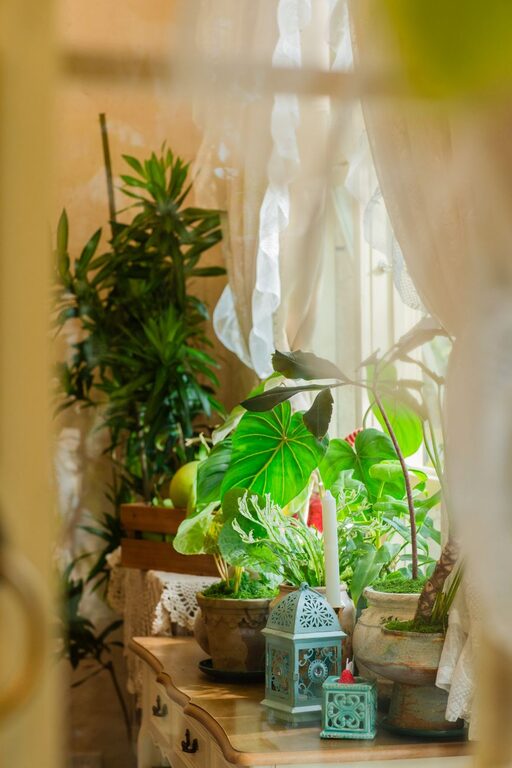
Plants are one of the easiest ways to refresh your home. They add color, texture, and natural character without requiring a major renovation. Whether you live in a spacious house or a small apartment, a few well-chosen plants can make your rooms feel brighter, calmer, and more inviting.
The key is to choose plants that suit your space and lifestyle. Consider the available light, the amount of time you have for care, and the look you want to create. With a thoughtful approach, you can build a beautiful indoor garden that feels natural and easy to maintain.
Start by Looking at Your Space
Before buying plants, take a quick tour of your home. Notice which areas receive bright sunlight, indirect light, or very little natural light. Also look at the size of each room, the colors already in use, and any empty areas that could benefit from added greenery.
Identify Light Conditions
Light is one of the most important factors in plant care. A sunny windowsill may be ideal for herbs or succulents, while a darker corner may be better suited to plants that tolerate low light.
Keep in mind that light changes throughout the day and across the seasons. A spot that feels bright in summer may receive much less light in winter. If possible, observe each area at different times before deciding where to place your plants.
Notice Empty or Underused Areas
Plants can help fill spaces that feel unfinished. Consider adding greenery to:
– Empty corners
– Shelves and bookcases
– Window ledges
– Entryway tables
– Kitchen counters
– Bathroom shelves
– Home office desks
Avoid placing plants where they block walkways, cover important surfaces, or make a room feel crowded. A small plant can often have a greater effect when it is given enough space around it.
Choose Plants That Match Your Routine
A beautiful plant is only a good choice if you can provide the care it needs. If you travel often or prefer a low-maintenance home, start with hardy varieties. If you enjoy gardening, you may want to include plants that need more regular attention.
Easy Plants for Beginners
Several popular houseplants are well suited to beginners. Pothos, snake plants, spider plants, and ZZ plants are known for being adaptable and forgiving. They can often handle occasional missed waterings, although every plant still benefits from proper light and regular observation.
For a bright room, consider herbs, succulents, or flowering plants. For spaces with indirect light, options such as pothos, peace lilies, and rubber plants may work well. Always check the care requirements before bringing a plant home.
Think About Size
Plant size should match the scale of the room and furniture. A tall plant can add height beside a sofa or in an empty corner, while a compact plant may be better for a shelf or desk.
Leave enough space for growth. A small plant may eventually need a wider pot or a different location. Planning ahead helps prevent your collection from becoming crowded.
Use Plants to Add Color and Texture
Plants do more than add green. Their leaves come in many shapes, sizes, and patterns, making them useful decorating tools.
Large, broad leaves can make a room feel relaxed and tropical. Fine, delicate leaves create a lighter look. Upright plants add structure, while trailing plants soften shelves and cabinets. Mixing these forms can make your arrangement feel more natural.
You can also use plants to introduce color. Variegated leaves may include shades of cream or yellow, while flowering plants can bring in seasonal tones. Choose colors that complement your existing furniture, curtains, and artwork.
Refresh Your Containers
A new container can change the appearance of a plant and update an entire corner of a room. You do not need matching pots everywhere. A coordinated mix of materials can create a collected, personal style.
Try combining:
– Ceramic pots for a polished look
– Terracotta for a warm, traditional feel
– Woven baskets for texture
– Metal containers for a modern room
– Glass vessels for cuttings or water-grown plants
Make sure every container provides proper drainage, especially if the plant is placed directly inside it. Decorative pots without drainage holes can be used as outer covers, with the plant kept in a separate nursery pot inside.
Choose containers that are stable and appropriately sized. A pot that is too large can hold excess moisture, while one that is too small may restrict root growth.
Create Simple Plant Displays
Thoughtful grouping can make a plant collection look intentional. Instead of placing plants randomly around the home, create small displays with different heights and shapes.
Build a Layered Arrangement
Place a tall plant behind a medium-sized plant, then add a small plant in front. This creates depth and helps each plant stand out. A plant stand, stool, or stack of sturdy books can also add height, provided the surface is safe and stable.
Group plants in odd numbers, such as three or five, for a relaxed arrangement. Use similar colors or materials to connect the display without making every piece identical.
Try a Plant Shelf
A plant shelf is a practical way to refresh a wall or unused area. Mix plants with books, small artwork, baskets, or decorative objects. Leave some open space so the shelf does not look overloaded.
Trailing plants work especially well on upper shelves. Allow the stems to fall naturally, but trim them if they begin to cover windows, outlets, or walking areas.
Use a Statement Plant
One large plant can become a focal point in a room. Place it near a reading chair, beside a media unit, or in a quiet corner. A statement plant is often more effective than several small plants scattered throughout the same area.
Add Greenery to Unexpected Rooms
Plants are not limited to living rooms and bedrooms. They can refresh nearly any area with suitable light and temperature.
In the kitchen, use herbs in small pots near a bright window. In the bathroom, choose plants that can handle humidity, while keeping them away from cold drafts. A small plant on an entryway table can make the whole home feel more welcoming.
Bedrooms and home offices can benefit from plants as decorative accents. Place them where they are easy to see but do not interfere with lamps, electronics, or daily activities.
Keep Your Plants Looking Their Best
Regular care helps plants remain part of your home rather than becoming another source of clutter. Check the soil before watering instead of following a fixed schedule. Many plants prefer the soil to dry slightly between waterings, but requirements vary.
Dust can collect on leaves and reduce their fresh appearance. Wipe broad leaves gently with a soft, damp cloth. Remove yellow or damaged leaves with clean scissors, and rotate plants occasionally so they grow evenly toward the light.
Watch for signs that a plant needs attention. Drooping leaves, dry soil, yellowing, or slow growth may indicate a problem with light, water, temperature, or space. Make one change at a time so you can see what helps.
Refresh Your Plant Collection Seasonally
You do not need to replace all your plants to create a new look. Small seasonal changes can make a noticeable difference. Move plants to new locations, change their containers, or add a few fresh cuttings to a vase.
You can also adjust displays as your plants grow. A trailing plant may move from a shelf to a hanging planter, while a young plant may become a centerpiece as it gets larger.
Refreshing your home with plants is an ongoing process. Start with a few suitable varieties, arrange them thoughtfully, and pay attention to how they affect each room. With the right plants and simple care, your home can feel greener, warmer, and more comfortable throughout the year.
About the Author