Food waste can happen in small ways: buying more than you need, forgetting ingredients in the refrigerator, or throwing away leftovers before they are used. Over time, these habits can add up. The good news is that reducing food waste at home does not require a complete lifestyle change. A few simple adjustments can help you save food, time, and money while making your kitchen more organized.
Start With a Simple Meal Plan
Meal planning helps you buy only what you are likely to use. It does not have to be detailed or complicated. Even planning a few dinners each week can make a difference.
Before making your shopping list:
– Check your refrigerator, freezer, and pantry.
– Note foods that should be used soon.
– Choose meals that share some ingredients.
– Consider your schedule for the week.
– Plan one or two flexible meals for leftovers.
For example, a bunch of fresh herbs might be used in pasta, sandwiches, and a soup. A package of vegetables could work in a stir-fry, a grain bowl, or an omelet. Using ingredients in several meals makes it easier to finish them before they spoil.
Leave room in your plan for changes. If you expect to eat out or have a busy evening, choose a meal that can be prepared quickly or saved for another day.
Shop With a List
A shopping list can prevent impulse purchases and duplicate items. Build the list after checking what you already have at home. Organize it by area, such as produce, dairy, pantry items, and frozen foods. This can help you move through the store efficiently and avoid buying items you do not need.
Try to be realistic about quantities. Buying a large package may seem convenient, but it is not always a good choice if your household will not use it in time. Smaller amounts may be more practical for foods with a short shelf life.
It can also help to distinguish between foods you need immediately and items that can wait. Purchase fresh foods in smaller amounts more often if your schedule allows. This can keep produce from sitting unused in the refrigerator.
Understand Food Dates
Date labels can be confusing, and different products use different wording. Labels such as “best if used by” often relate to quality rather than safety. The food may still be suitable after that date if it has been stored properly and shows no signs of spoilage.
Use your senses and common sense when checking food. Look for unusual odors, mold, damaged packaging, or changes in texture. When in doubt, it is safer to discard the item. For specific products, follow the guidance on the package or from a trusted food safety source.
Organizing food by date can also help. Place items that should be used soon toward the front of the refrigerator or pantry. This simple practice makes older products easier to notice.
Store Food Properly
Proper storage can extend the life of many foods. Keep your refrigerator at the recommended temperature and avoid packing it so tightly that cold air cannot circulate.
Here are some useful storage habits:
– Store berries in a breathable container and wash them just before eating.
– Keep bananas away from other produce if they cause nearby fruit to ripen quickly.
– Place leafy greens in a container or bag with a dry paper towel to absorb moisture.
– Keep bread in a suitable sealed container, or freeze extra slices.
– Store potatoes, onions, and garlic in a cool, dry, well-ventilated place.
– Use airtight containers for opened dry goods.
– Label leftovers with the date they were prepared.
Different fruits and vegetables can affect one another as they ripen. Keeping certain items separated can help slow unwanted changes. If you are unsure how to store a food, check the package instructions or a reliable food storage guide.
Make the Most of Your Freezer
The freezer is one of the best tools for reducing waste. Freeze food before it reaches the point where you may not use it. This works well for bread, cooked grains, fruit, vegetables, sauces, and many prepared meals.
Divide food into useful portions before freezing. Small containers or freezer bags make it easier to thaw only what you need. Remove excess air from bags and label them with the food name and date.
Some foods may change texture after freezing, but they can still work well in cooked dishes. Soft fruit can be added to smoothies, while extra vegetables can be used in soups, sauces, or casseroles.
Avoid forgetting frozen food by keeping a simple freezer list. Review it occasionally and plan meals around items that have been stored the longest.
Use Leftovers Creatively
Leftovers do not have to be eaten in exactly the same form. With a little creativity, they can become the base for a new meal.
Try these ideas:
– Turn roasted vegetables into a soup, wrap, or grain bowl.
– Add cooked chicken, beans, or vegetables to a salad or pasta dish.
– Use extra rice for fried rice, stuffed vegetables, or a breakfast bowl.
– Add small amounts of vegetables to eggs, quesadillas, or sandwiches.
– Use leftover herbs to make a sauce, dressing, or flavored butter.
– Combine several small portions into a meal instead of leaving them in separate containers.
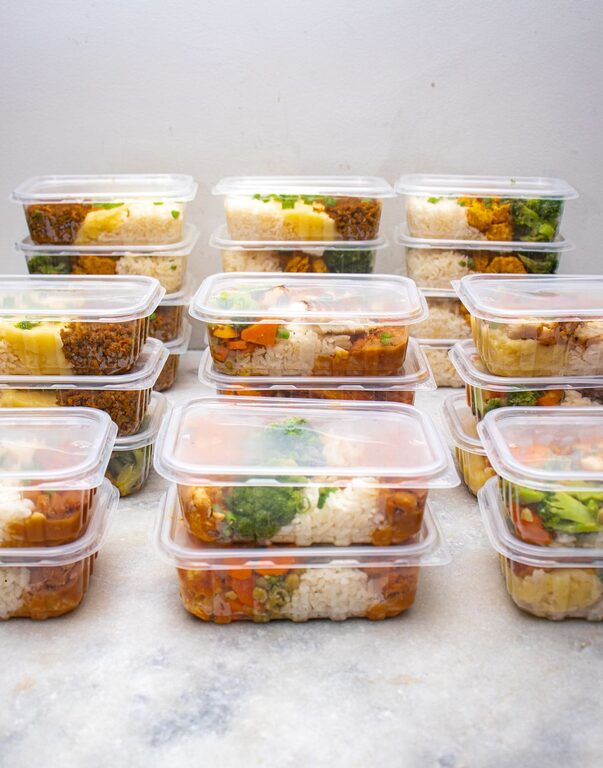
Store leftovers in clear containers so they are easy to see. Place them where you will notice them, rather than pushing them behind newer foods. You can also schedule a “leftover night” once a week to clear the refrigerator.
Cook With More of the Food
Many ingredients have edible parts that are often overlooked. Broccoli stems can be sliced and cooked, while cauliflower leaves can be roasted or added to soups. Carrot tops may be used in sauces or herb-based spreads when they are fresh and suitable for eating.
Vegetable scraps can also be saved for cooking. Onion ends, herb stems, and clean vegetable trimmings may add flavor to homemade stock. Keep scraps in a labeled freezer container and use them when you have enough.
Not every part of every food is edible, so check preparation guidance before using items that are unfamiliar. Remove dirt, damaged sections, and parts that are not intended for consumption.
Serve Sensible Portions
Serving too much food can lead to unnecessary leftovers. Start with moderate portions, then allow people to take more if they are still hungry. This is especially useful when serving children or preparing a meal for guests.
When cooking, consider preparing a little less than usual if you are unsure how much will be eaten. You can always make more, but it is harder to undo an oversized batch.
If food remains on individual plates, do not automatically save it. Follow safe handling practices and use your judgment based on how long the food has been at room temperature.
Share or Compost What You Cannot Use
Sometimes food will not be eaten despite your best efforts. If it is still fresh and safe, consider sharing it with friends, neighbors, or a local community program that accepts donations.
For unavoidable scraps, composting can be an alternative to sending them to the trash. Fruit and vegetable peels, coffee grounds, and certain other materials may be suitable for composting. Check your local program’s guidelines, since accepted items vary.
Reducing food waste is most effective when it becomes part of your regular routine. Plan before shopping, store food carefully, use leftovers creatively, and pay attention to what your household actually eats. Small changes in these areas can make your kitchen more efficient and help more of the food you buy reach the table.
About the Author