
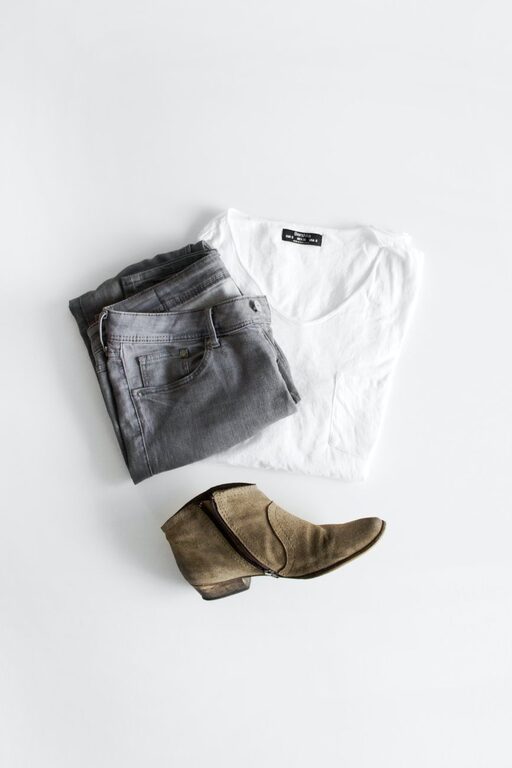
Building a capsule wardrobe is a simple way to make getting dressed easier. Instead of keeping a large collection of clothes you rarely wear, you create a smaller selection of useful pieces that work well together.
A basic capsule wardrobe does not need to follow strict rules. It should reflect your lifestyle, climate, work requirements, and personal taste. The goal is to have fewer items that you enjoy wearing and can combine in several ways.
What Is a Capsule Wardrobe?
A capsule wardrobe is a carefully selected collection of clothing, shoes, and accessories. Most pieces coordinate with one another, giving you a variety of outfits without needing a large closet.
A capsule wardrobe often includes:
– Everyday tops
– Casual and dressier bottoms
– A few layers
– One or two jackets or coats
– Comfortable shoes
– A small selection of accessories
Some people build one capsule wardrobe for the entire year. Others create seasonal capsules for spring, summer, fall, and winter. Choose the approach that feels easiest to maintain.
Start With Your Real Lifestyle
Before choosing clothing, think about how you spend most of your time. A wardrobe should support your daily routine rather than an imaginary version of your life.
Ask yourself:
– What do I wear to work or school?
– How often do I dress casually?
– Do I attend formal events regularly?
– What activities require specific clothing?
– What is the weather like where I live?
– Which clothing items do I reach for most often?
For example, someone who works from home may need more comfortable clothing, while someone in an office may need several polished outfits. Someone who walks frequently may prioritize practical shoes and weather-resistant layers.
Write down the types of outfits you need during a typical week. This helps you avoid buying items that look appealing but do not suit your routine.
Review the Clothes You Already Own
You do not need to start from scratch. Begin by looking through your current wardrobe and sorting items into four groups:
- **Keep:** Clothes that fit well, feel comfortable, and suit your current lifestyle.
- **Repair:** Items that need small fixes, such as a missing button or loose hem.
- **Store:** Seasonal pieces you do not need right now.
- **Remove:** Items that no longer fit, feel uncomfortable, or go unworn.
Try on anything you are unsure about. Pay attention to how the clothing feels and whether you can imagine wearing it soon.
Avoid keeping items only because they were expensive or because you might wear them someday. If a piece consistently remains unused, it may not belong in your main wardrobe.
Choose a Simple Color Palette
A coordinated color palette makes it easier to create outfits. Start with two or three neutral colors, such as:
– Black
– White
– Navy
– Gray
– Brown
– Cream
– Olive
Then add one or two accent colors that you enjoy wearing. Accent colors can appear in sweaters, shirts, scarves, shoes, or accessories.
Your palette does not have to be completely neutral. If you love bright colors or prints, include them. The important point is to choose colors that work together and match your existing clothing.
A simple way to test your palette is to place several favorite items on your bed. Look for colors that combine naturally. If many pieces only work with one specific item, consider whether they belong in the capsule.
Select Versatile Core Pieces
A basic capsule wardrobe usually works best when it combines reliable essentials with a few personal favorites. The exact number of items will vary, but the following categories can provide a useful starting point.
Tops
Choose a mix of everyday and slightly dressier tops. Depending on your needs, this might include:
– Two or three T-shirts
– One or two button-down shirts or blouses
– A casual long-sleeve top
– One sweater or knit top
– One more polished option
Look for tops that can be worn alone or layered under jackets and sweaters.
Bottoms
Select bottoms that match most of your tops. A basic collection might include:
– One pair of jeans
– One pair of casual trousers
– One pair of dressier trousers or a skirt
– One pair of shorts, if suitable for your climate
– One comfortable alternative, such as leggings
Choose cuts and fabrics that suit your daily activities. A smaller number of comfortable bottoms is often more useful than several pairs you rarely wear.
Layers
Layers add variety and help you adjust to changing temperatures. Consider:
– A cardigan or lightweight sweater
– A casual jacket
– A blazer or structured layer
– A warm coat or weather-appropriate outer layer
If you live in a mild climate, you may need only a few layers. In colder areas, prioritize pieces that can be worn together.
Shoes
Shoes should match your routine and provide comfort. A practical capsule might include:
– Everyday sneakers
– Casual flats, loafers, or similar shoes
– Boots or weather-ready shoes
– A dressier pair for special occasions
Choose shoes that work with several outfits instead of buying a different pair for every look.
Consider Fabric, Fit, and Comfort
A capsule wardrobe should be easy to wear and maintain. Pay attention to fabric care before buying an item. Clothes that require frequent special cleaning may be less practical for everyday use.
Fit is also important. Clothing does not need to follow a particular trend, but it should allow you to move comfortably and feel confident. If an item needs constant adjusting, it probably will not become a reliable favorite.
When shopping, consider:
– Whether the fabric feels comfortable
– Whether the item can be washed easily
– Whether the fit works with your existing clothes
– Whether the quality seems appropriate for the price
– Whether you would choose it on a normal day
Create Outfit Combinations
After selecting your core pieces, make several complete outfits. Try combining tops, bottoms, layers, and shoes in different ways.
You can take photos of combinations you like or write down simple outfit formulas, such as:
– T-shirt, jeans, cardigan, and sneakers
– Button-down shirt, trousers, flats, and blazer
– Sweater, skirt, boots, and coat
– Long-sleeve top, jeans, jacket, and loafers
Aim for variety without making every item work with every other item. Even a small wardrobe can provide many options when you change layers, shoes, and accessories.
Add Accessories Carefully
Accessories can change the appearance of familiar clothing without taking up much space. Useful options may include:
– A belt
– A practical everyday bag
– A scarf
– Simple jewelry
– A hat
– One special accessory for dressier outfits
Choose accessories that suit your style and routine. A small collection is easier to use when each piece has a clear purpose.
Shop With a List
Once you understand what you own and what you need, make a short shopping list. Separate essential gaps from items that are simply appealing.
For example, your list might include:
– A neutral cardigan
– Comfortable everyday shoes
– A pair of trousers for work
– A lightweight jacket
Avoid buying several items at once unless you are sure they coordinate with your wardrobe. Adding one piece at a time gives you a chance to see what is genuinely useful.
Maintain Your Capsule Wardrobe
A capsule wardrobe needs occasional review. At the end of each season, check which items you wore often and which stayed untouched.
You may need to:
– Repair or replace worn clothing
– Store seasonal pieces
– Remove items that no longer fit your lifestyle
– Add clothing for a new activity or change in routine
– Update your shopping list
There is no perfect number of items. The right capsule wardrobe is one that helps you get dressed with less effort while still leaving room for personality and choice. Start with the clothes you already enjoy, build around your actual needs, and adjust the collection over time.
About the Author