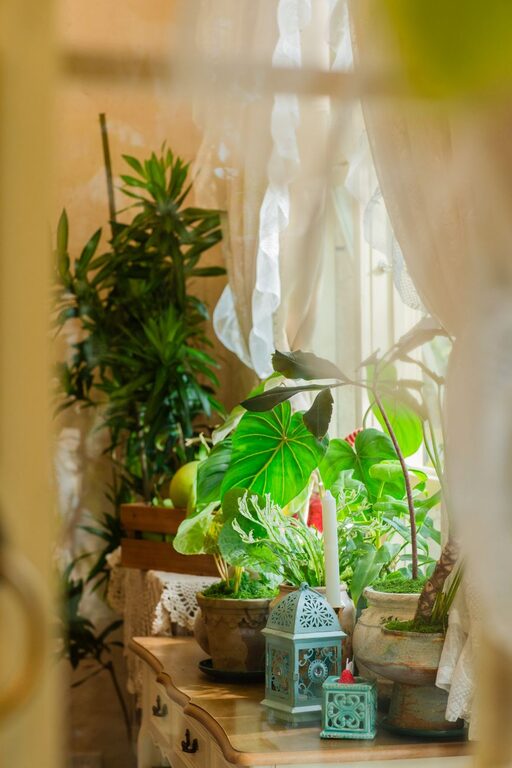

Growing herbs indoors is an easy way to add fresh flavor to meals, brighten a room, and enjoy gardening in any season. You do not need a large space or expensive equipment. With a sunny windowsill, a few containers, and regular care, you can grow useful herbs in a small apartment, kitchen, or home office.
Choose the Right Herbs
Start with herbs that grow well in containers and adapt to indoor conditions. Some herbs are more forgiving than others, so choosing the right varieties can make your first garden easier to manage.
Good herbs for beginners include:
– Chives
– Parsley
– Mint
– Basil
– Oregano
– Thyme
– Cilantro
– Rosemary
Basil, chives, mint, and parsley are especially useful for a small kitchen garden because they can be harvested often. Oregano, thyme, and rosemary usually grow more slowly but provide flavorful leaves for many recipes.
It is best to begin with two or three herbs rather than trying to grow everything at once. A smaller garden is easier to water, monitor, and maintain.
Find the Best Location
Most herbs need plenty of light to grow well. Choose a location near a bright, sunny window, preferably one that receives several hours of direct sunlight each day. A south-facing window often provides the most light, while east- or west-facing windows can also work well.
Keep the plants away from cold drafts, heating vents, and appliances that produce heat. Sudden temperature changes can stress the plants and dry out the soil quickly.
If your home does not receive enough natural light, use a small full-spectrum grow light. Place the light above the plants and follow the manufacturer’s instructions for distance and timing. Many indoor herbs grow well with approximately 12 to 16 hours of light each day, followed by a period of darkness.
Turn the containers every few days if the plants begin leaning toward the window. This helps encourage more even growth.
Select Containers With Drainage
The right container helps prevent one of the most common indoor gardening problems: overwatering. Choose pots with drainage holes at the bottom so excess water can escape.
You can use:
– Small clay or ceramic pots
– Plastic nursery containers
– Window boxes
– Recycled containers with drainage holes
– A shallow indoor planter
Place a saucer beneath each pot to catch excess water and protect your windowsill or furniture. Empty the saucer after watering if it fills with water.
Each herb should have enough room for its roots. A container that is about 6 to 8 inches wide is often suitable for one small herb plant. Larger herbs, such as rosemary, may need a bigger pot as they grow.
Avoid placing several herbs in one container unless they have similar water and light needs. Mint, for example, spreads quickly and may be easier to manage in its own pot.
Use Quality Potting Mix
Regular garden soil is usually too dense for indoor containers. It can hold too much water and may not provide enough air around the roots. Instead, use a lightweight potting mix made for containers.
Look for a mix that drains well and contains materials such as:
– Peat moss or coconut coir
– Perlite
– Vermiculite
– Compost
Fill the container without packing the soil too tightly. Leave about half an inch of space between the soil surface and the rim of the pot. This makes watering easier and helps prevent soil from spilling over the sides.
If you are reusing a container, clean it first with warm, soapy water. This helps remove old soil and reduces the chance of spreading pests or plant diseases.
Start With Seeds or Young Plants
You can grow herbs from seeds or purchase small starter plants. Seeds are usually less expensive and offer more variety, but they require patience and careful attention during the early stages.
Starter plants are a convenient option for beginners because they provide a head start. Choose plants with healthy green leaves, sturdy stems, and no visible insects. Avoid plants with yellowing leaves, damaged stems, or mold on the soil.
To plant seeds, follow the depth instructions on the seed packet. Some seeds need light to germinate and should only be lightly covered with soil. Keep the soil gently moist until seedlings appear.
When planting a young herb, loosen the roots carefully and place the plant at the same depth it was growing in its original container. Add soil around the roots, then water lightly.
Water Carefully
Indoor herbs need regular watering, but too much water can cause root problems. Check the soil before watering by touching the top inch with your finger. If it feels dry, the plant may need water. If it still feels damp, wait another day or two.
Water slowly until a small amount drains from the bottom of the pot. This helps moisten the entire root area. Do not let the plant sit in standing water.
Different herbs have different needs:
– Basil and parsley prefer soil that stays lightly moist.
– Thyme, oregano, and rosemary prefer the soil to dry slightly between waterings.
– Mint enjoys regular moisture but should not remain waterlogged.
– Chives need consistent moisture but are generally easy to maintain.
Indoor air can become dry during colder months, especially near heating systems. If the leaves look dry or crispy, move the plant away from the heat source and check the watering routine.
Feed and Prune Your Herbs
Fresh potting mix usually provides enough nutrients for the first several weeks. After that, herbs may benefit from a mild, balanced fertilizer. Follow the product instructions and avoid using more than recommended.
Pruning encourages many herbs to grow fuller. Begin harvesting once the plant is well established and has several healthy stems. Cut just above a pair of leaves rather than removing large sections at once.
For basil, pinch off the growing tips regularly. If flower buds appear, remove them if you want the plant to focus on leaf growth. Chives can be trimmed with clean scissors, leaving a few inches of growth above the soil.
Never harvest more than about one-third of a plant at one time. Leaving plenty of leaves helps the herb recover and continue growing.
Watch for Common Problems
Indoor herb gardens are generally easy to manage, but a few problems may appear.
Yellow leaves can be caused by too much water, poor drainage, or insufficient light. Let the soil dry slightly between waterings and make sure the pot has drainage holes.
Long, thin stems often indicate that the plant needs more light. Move it closer to a bright window or add a grow light.
Small insects may gather on new growth or beneath leaves. Inspect plants regularly and gently wipe the leaves with a damp cloth. Isolate affected plants from the rest of your garden while you address the problem.
Mold on the soil surface usually indicates excess moisture or poor air circulation. Allow the soil to dry more between waterings and improve airflow around the containers.
Create a Simple Care Routine
A consistent routine is more useful than constant attention. Once or twice a week, inspect each plant and check the soil moisture. Rotate pots, remove damaged leaves, and look for insects.
Keep a small pair of clean scissors near the garden for harvesting. Labeling the containers can also help you remember which herb you planted and when it may need pruning.
As your herbs grow, replace plants that become weak or overcrowded. Some herbs, such as basil and cilantro, may have a shorter indoor growing period, while chives, mint, thyme, and rosemary can continue growing for much longer with proper care.
With the right light, containers, and watering habits, even a small indoor herb garden can provide fresh leaves throughout the year. Start with a few reliable herbs, learn how they respond to your space, and expand gradually as your confidence grows.
About the Author